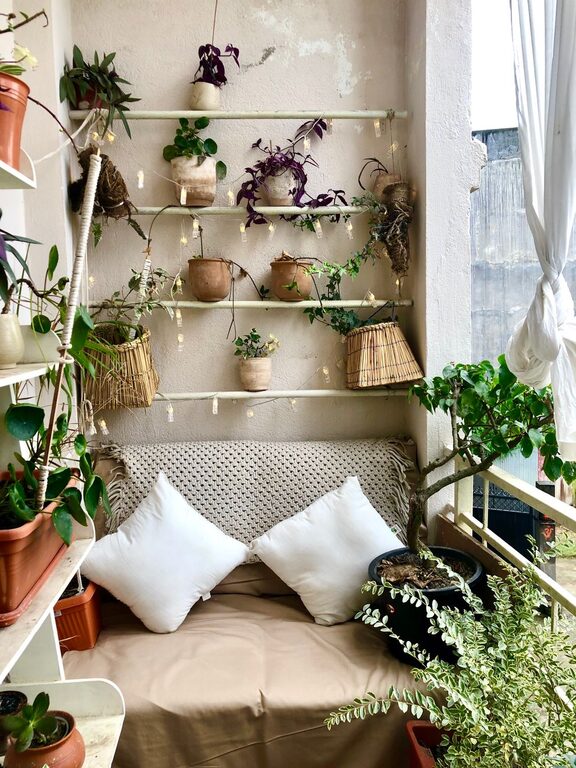
Starting a small herb garden indoors is a rewarding and enjoyable way to bring fresh flavors to your kitchen while brightening up your living space. Whether you have a sunny windowsill or just a little counter space, growing herbs inside can be simple and satisfying. This guide will walk you through everything you need to know to get started.
Why Grow Herbs Indoors?
Growing herbs indoors offers several benefits:
– Freshness: You can snip fresh herbs anytime you need them.
– Convenience: No need to run to the store or buy packaged herbs.
– Space-saving: Perfect for apartments or homes without outdoor gardens.
– Aroma and atmosphere: Many herbs add a pleasant fragrance and greenery to your space.
Choosing the Right Herbs for Indoor Gardening
Not all herbs thrive indoors, so it’s best to start with easy-to-grow varieties. Some popular choices include:
– Basil: Loves sunlight and warmth, great for Italian cooking.
– Mint: Grows well with moderate light but can spread quickly.
– Parsley: Requires bright, indirect light and regular watering.
– Chives: Adaptable and great for garnishing dishes.
– Thyme: Enjoys plenty of sun and relatively dry soil.
– Cilantro: Prefers moderate sunlight and cooler temperatures.
Consider the herbs you use most in your cooking and their growing needs.
What You’ll Need to Start
Before planting, gather these supplies:
– Containers: Small pots or containers with drainage holes work best.
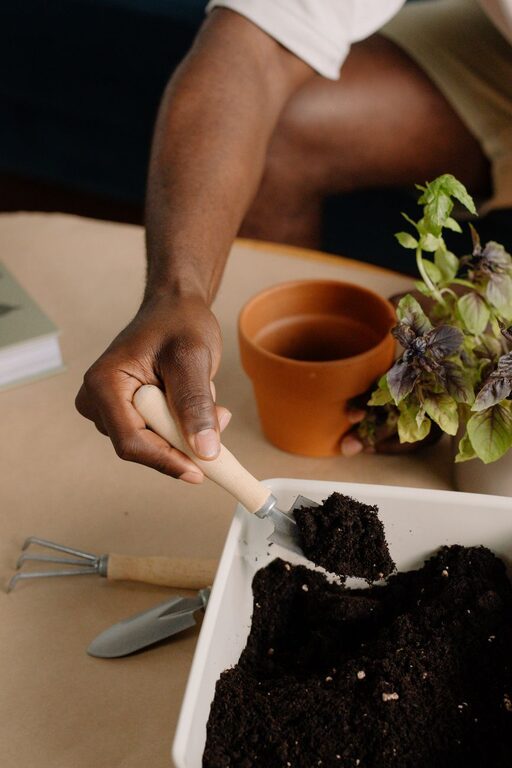
– Potting soil: Use a well-draining potting mix formulated for indoor plants.
– Herb seeds or starter plants: Seeds are economical, but seedlings give a head start.
– Watering can or spray bottle: For gentle watering.
– Labels: To keep track of different herbs.
– Light source: A sunny window or supplemental grow lights.
Step-by-Step Guide to Starting Your Indoor Herb Garden
1. Select Your Containers
Choose pots that are at least 4-6 inches deep with drainage holes to prevent waterlogging. You can reuse pots or get decorative containers—just ensure good drainage.
2. Prepare the Potting Mix
Fill each container with a high-quality potting mix. Avoid using garden soil, as it may compact and reduce airflow.
3. Plant Your Seeds or Seedlings
– For seeds: Check the seed packet for planting depth and spacing. Plant the seeds evenly and cover lightly with soil.
– For seedlings: Gently loosen roots and place the young plant in the pot, filling around the roots.
Water the soil lightly after planting.
4. Provide Adequate Light
Herbs generally need 6-8 hours of sunlight daily. Place your pots on a sunny south- or west-facing window if possible. If natural light is insufficient, consider using a grow light with a timer to ensure consistent lighting.
5. Water Carefully
Keep the soil moist but not soggy. Overwatering can cause root rot. Let the top inch of soil dry out before watering again. Use a spray bottle to mist seedlings or a watering can for established plants.
6. Maintain Humidity and Temperature
Most herbs prefer moderate indoor temperatures between 65-75°F (18-24°C). If your home is dry, occasional misting or placing a tray of water near the plants can increase humidity.
7. Fertilize Occasionally
Use a balanced, water-soluble fertilizer diluted to half strength once a month during active growth. Avoid over-fertilizing, which can harm the plants.
Tips for Healthy Indoor Herbs
– Rotate pots: Turn your plants every few days to encourage even growth.
– Pinch and harvest: Regularly pinch off the tips to promote bushier plants and prevent flowering.
– Watch for pests: Check for tiny insects like aphids or spider mites and treat with natural insecticidal soap if needed.
– Clean leaves: Dust off leaves gently to improve photosynthesis.
Common Challenges and Solutions
– Yellow leaves: Often caused by overwatering or poor drainage.
– Leggy growth: Usually a sign of insufficient light; move plants to a sunnier spot or add grow lights.
– Slow growth: May indicate nutrient deficiency; try fertilizing and adjusting care routine.
Harvesting Your Herbs
Begin harvesting once your plants are established and have enough foliage. Use sharp scissors to snip stems just above a leaf node to encourage new growth. Fresh herbs are best used immediately, but you can also dry or freeze excess for later use.
Conclusion
Starting a small indoor herb garden is a fantastic way to enjoy fresh, flavorful herbs year-round. With a little planning and care, even beginners can cultivate thriving plants that enhance meals and bring a touch of nature indoors. Whether you have a sunny windowsill or supplemental grow lights, you can create a personalized herb collection to suit your tastes and space.
Happy gardening!
About the Author