Stretching is a simple yet powerful way to enhance your physical health and overall well-being. Whether you spend a lot of time sitting at a desk or enjoy an active lifestyle, incorporating stretching into your daily routine can help improve flexibility, reduce muscle tension, and prevent injury. The best part? You can do it easily at home with no special equipment.
In this beginner’s guide, we’ll walk you through the basics of stretching, how to prepare, and some easy stretches you can start with today.
Why Stretching Matters
Stretching helps to lengthen muscles and improve range of motion in your joints. This can lead to better posture, less stiffness, improved circulation, and increased relaxation. Here are some key benefits:
– Enhances flexibility — making daily movements easier.
– Reduces muscle tightness — especially after sitting or exercising.
– Supports injury prevention — by preparing muscles for activity.
– Improves circulation and energy — by increasing blood flow.
– Relieves stress and promotes relaxation — through mindful movement.
How to Get Ready for Stretching
Before you start stretching, keep these tips in mind to ensure your practice is safe and effective:
- **Warm up first.** Stretching cold muscles can lead to injury. Spend 5-10 minutes doing light activity like walking or marching in place.
- **Wear comfortable clothing.** Choose loose or stretchy clothes that allow free movement.
- **Choose a quiet space.** Pick an area where you can focus without distractions.
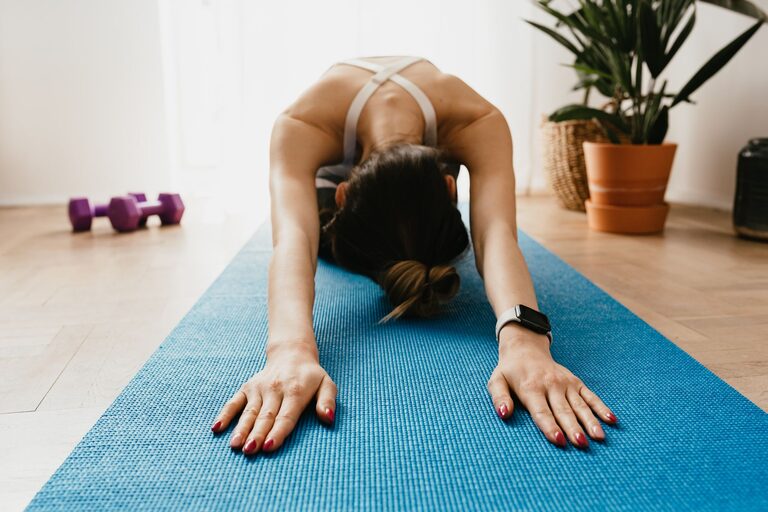
- **Use a mat or soft surface.** This adds comfort for floor stretches.
- **Listen to your body.** Stretch only to the point of mild tension, never pain.
Types of Stretching
There are two main types of stretching you should know about:
Static Stretching
This involves holding a stretch for a period of time, usually 15-60 seconds. It’s best done after activity or during a cool-down to improve flexibility.
Dynamic Stretching
These are controlled, smooth movements that gently take your joints through their range of motion. Dynamic stretches are great before physical activity to warm up muscles.
For beginners at home, static stretching is a great place to start to build flexibility and body awareness.
Basic Stretching Routine for Beginners
Here’s an easy routine targeting major muscle groups. Hold each stretch for 20-30 seconds and repeat 2-3 times if it feels comfortable.
Neck Stretch
– Sit or stand tall.
– Gently tilt your head toward your right shoulder until you feel a stretch on the left side of your neck.
– Hold, then switch sides.
Shoulder Stretch
– Bring your right arm across the front of your chest.
– Use your left hand to gently press your right arm closer to your chest.
– Hold, then switch arms.
Chest Stretch
– Stand with your feet shoulder-width apart.
– Clasp your hands behind your back and straighten your arms.
– Gently lift your chest and squeeze your shoulder blades together.
Triceps Stretch
– Raise your right arm overhead.
– Bend your elbow to reach your hand down your back.
– Use your left hand to gently press on your right elbow.
– Hold, then switch arms.
Side Stretch
– Stand with feet hip-width apart.
– Raise your right arm overhead and lean to the left side.
– Keep your body in a straight line.
– Hold, then switch sides.
Hamstring Stretch
– Sit on the floor with your right leg extended.
– Bend your left leg with the foot against your right inner thigh.
– Slowly reach toward your right toes, keeping your back straight.
– Hold, then switch legs.
Quadriceps Stretch
– Stand near a wall or chair for balance.
– Bend your right knee and grab your ankle behind you.
– Pull your heel gently toward your buttocks.
– Keep your knees close together.
– Hold, then switch legs.
Calf Stretch
– Stand facing a wall.
– Place your hands on the wall and step back with your right foot.
– Keep your right leg straight and heel on the floor.
– Lean into the wall to feel the stretch.
– Hold, then switch legs.
Tips for Successful Stretching at Home
– Be consistent. Aim for stretching 3-5 times a week.
– Breathe deeply. Use slow, steady breaths to help relax muscles.
– Avoid bouncing. Stretch smoothly and hold steady to avoid injury.
– Modify as needed. If a stretch feels too intense, reduce the range or duration.
– Combine with other activities. Stretching pairs well with walking, yoga, or light workouts.
When to Avoid Stretching or Take Extra Care
Avoid stretching if you are injured, have swelling, or experience sharp pain. If you’re new to exercise or have health concerns, consult a professional before starting a new routine.
—
Stretching is an accessible and effective way to support your health, even from the comfort of home. By following this beginner-friendly guide, you can create a simple stretching habit that promotes flexibility, reduces tension, and enhances your quality of life. Start slow, listen to your body, and enjoy the benefits of regular stretching!
About the Author