
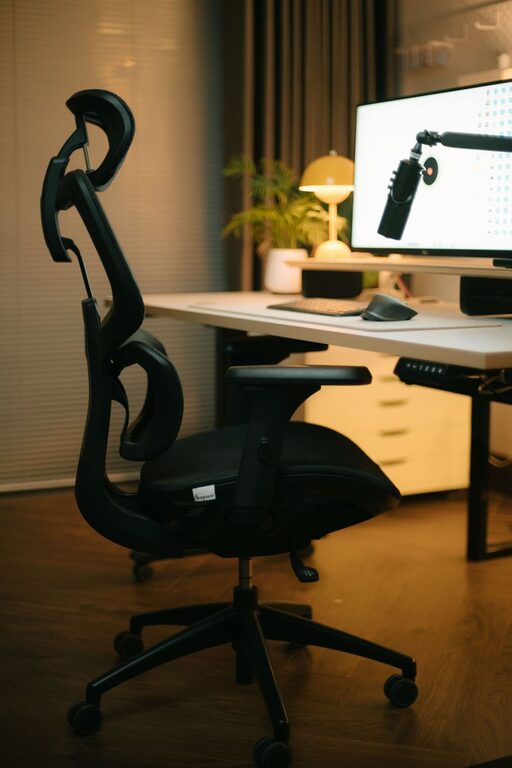
When it comes to creating a productive and comfortable workspace, the importance of choosing the right desk chair cannot be overstated. A well-designed, comfortable chair supports good posture, reduces the risk of back pain, and helps you stay focused longer. With so many options available, selecting the perfect chair can feel overwhelming. This guide will walk you through essential tips to help you find a desk chair that balances comfort, functionality, and style.
Why Comfort Matters in a Desk Chair
Spending hours sitting at a desk places a lot of stress on your body, especially your back, neck, and shoulders. An uncomfortable chair can lead to poor posture, muscle strain, and fatigue. On the other hand, a supportive chair allows you to maintain a healthy sitting position, reduces discomfort, and improves your overall work experience.
Key Features to Consider When Choosing a Desk Chair
Before making a purchase, it’s important to evaluate the key features of a desk chair that influence comfort and support.
1. Adjustable Height
A chair with adjustable height ensures that your feet can rest flat on the floor while your thighs are parallel to the ground. This positioning promotes good circulation and helps prevent leg strain. Ideally, your desk height and chair height should complement each other to maintain a natural arm angle when typing or writing.
2. Lumbar Support
Lower back support is crucial for maintaining the natural curve of your spine. Chairs with built-in lumbar support help reduce pressure on the spine and prevent slouching. Some offer adjustable lumbar support to customize the fit to your back’s shape.
3. Seat Depth and Width
The seat should be wide and deep enough to support you comfortably without putting pressure behind your knees. If the seat is too deep, it can cause discomfort; if too shallow, it won’t provide enough support. A seat with a waterfall edge (rounded front edge) helps reduce pressure on the thighs and improves circulation.
4. Recline and Tilt Functions
A chair that allows you to recline or tilt provides flexibility to change your sitting position throughout the day, which can reduce fatigue. Adjustable tilt tension lets you control the resistance as you lean back.
5. Armrests
Armrests support your arms and reduce tension in your shoulders and neck. Look for chairs with adjustable armrests that can be moved up, down, in, or out to align with your desk and personal comfort.
6. Breathable Material
The material covering the chair impacts comfort, especially if you sit for long hours. Breathable fabrics like mesh promote airflow and keep you cool, while leather or vinyl might be easier to clean but less breathable.
7. Swivel and Mobility
Swivel chairs with smooth-rolling casters enhance mobility, allowing you to reach different areas of your workspace without straining.
Tips for Finding the Right Desk Chair for You
Here are some practical steps to guide you through the selection process:
Measure Your Space and Desk Height
Before shopping, measure your desk height and the space where the chair will sit. This will help you choose a chair that fits well without crowding your area or creating awkward angles.
Test Chairs Whenever Possible
If you can visit a store, sit in several different chairs to see how they feel. Pay attention to how your back feels after sitting for a few minutes, and try adjusting the settings. Comfort is personal, so what works for someone else might not work for you.
Consider Your Work Habits
Think about how you use your chair. Do you often lean back? Do you need to move around frequently? Do you require extra support for long hours or prefer a softer seat? Your work style helps determine which features matter most.
Prioritize Ergonomics Over Style
While it’s tempting to pick a stylish chair, prioritize ergonomics and comfort. A beautiful chair that causes discomfort will negatively affect your health and productivity in the long run.
Set a Budget But Don’t Compromise Quality
Quality desk chairs can vary widely in price. Setting a budget is important, but avoid choosing the cheapest option if it means sacrificing support and durability. Investing in a good chair is an investment in your well-being.
Maintaining Your Desk Chair for Long-Term Comfort
Once you’ve chosen your chair, maintaining it will help preserve its comfort and functionality.
– Regularly Clean the Chair: Dust and dirt can affect the material and mechanism. Use appropriate cleaning methods for the fabric or leather.
– Check the Adjustments: Make sure all levers and knobs work smoothly.
– Tighten Screws and Bolts: Over time, parts may loosen; keep them tight to avoid wobbling.
– Replace Worn Parts: If the cushioning or casters wear out, consider replacing them instead of buying a new chair.
Final Thoughts
Choosing a comfortable desk chair involves more than just picking something that looks good. Prioritizing ergonomics, adjustability, and support will make a significant difference in your daily comfort and health. Take the time to research, test, and invest in a chair that fits your body and work style. Your back will thank you, and your productivity will likely improve.
Remember, the right desk chair is a key ingredient in creating a workspace that encourages focus, comfort, and well-being. Happy chair hunting!
About the Author